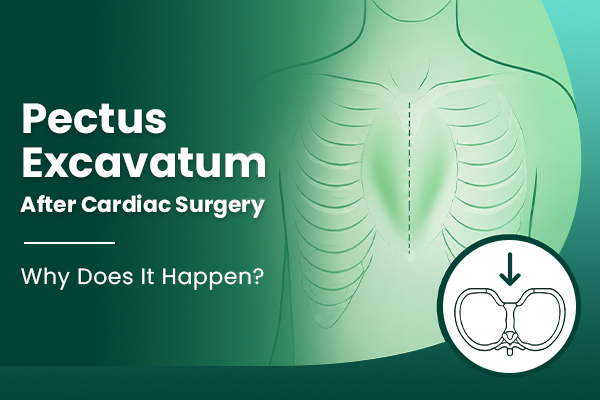
Not all pectus excavatum presents in the same way. From narrow indentation to wide, extending depression — this common chest wall deformity appears in many forms. Understanding the differences is the first step toward the right treatment.
1. Symmetrical Pectus Excavatum
Symmetrical pectus excavatum is characterized by a centrally located depression in the lower anterior chest wall, with the deepest pointypically at the sternum or xiphoid process, and in some cases, below the xiphoid. This is the most common type of pectus excavatum.
2. Asymmetrical Pectus Excavatum
Asymmetrical pectus excavatum has three subtypes.
a. The depression is located on one side of the chest wall, with the deepest point at the ribs or costal cartilage. The affected portion of the sternum tilted downward, forming part of the slope of the depression. This is the most common type of asymmetrical pectus excavatum.

asymmetrical pectus excavatum

asymmetrical pectus excavatum
b. Although the depression appears centrally located in the chest wall and symmetrical from the outside, significant differences exist in the skeletal structure on each side of the chest wall. Physical examination can reveal that the bones on one side of the chest wall are thick and rigid, while the opposite side are thin and pliable.

c.In this type, although the depression is centrally located on the chest wall, its bilateral margins are markedly asymmetrical, with one side higher than the other.

3. Extensive Pectus Excavatum
This type of deformity features a broad, wide-spanning depression, often involving much of the anterior chest wall. Although the depression may appear extensive, the actual depth is often moderate due to the relatively low elevation of the margins. The Haller index may show a high value, which can give a misleading impression of the deformity’s severity.

extensive pectus excavatum
4. High-Positioned Pectus Excavatum
This type is characterized by a depression in the upper chest wall, with the deepest point at the body of the sternum or the upper ribs / costal cartilages. Since the depression is located near the region where major blood vessels enter and exit the heart, severe cases may pose a greater risk to cardiac function compared to other types of pectus excavatum.

high-positioned pectus excavatum
5. Grand Canyon-Type Pectus Excavatum
This severe form of pectus excavatum features a large, extensive depression that may run vertically from the upper chest wall down to the abdominal wall. The depression often follows a diagonal path rather than the midline and can reach considerable depth, resembling a deep longitudinal groove.

grand canyon-type pectus excavatum
6. Pectus Excavatum with Acute-angle Deformity
In this type, due to the extreme severity of the depression, acute – angle deformity can form at the margins or the deepest part of the deformity, which may protrude outward from the body surface or extend inward into the deep part of the thoracic cavity.

The right margin of the depression forms an acute - angle deformity and protrudes forward, while the bottom of the depression forms an acute - angle deformity and extends into the thoracic cavity.
ICWS has developed innovative surgical techniques capable of treating all types of pectus excavatum. With procedures such as the Wang procedure and Wung procedure, our experienced team can provide personalized correction for each patient. If you or a loved one are seeking a solution, we are ready to walk with you every step of the journey, offering guidance, care, and expertise.
.png)
.png)