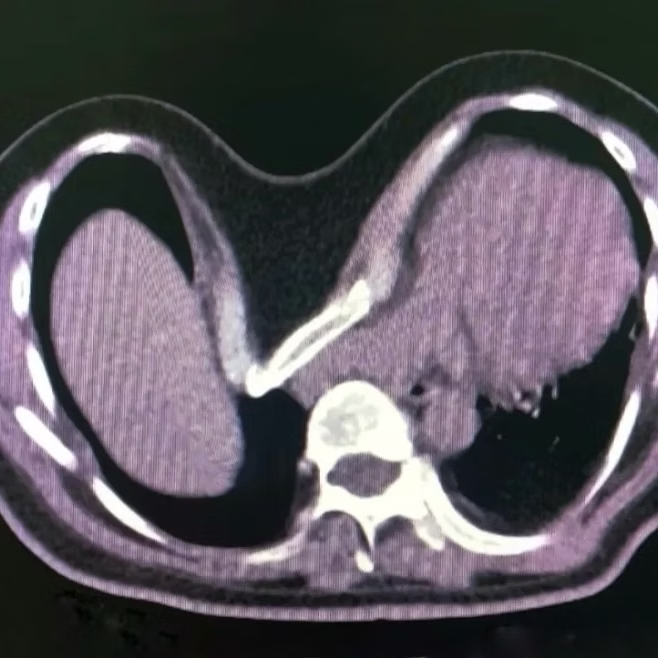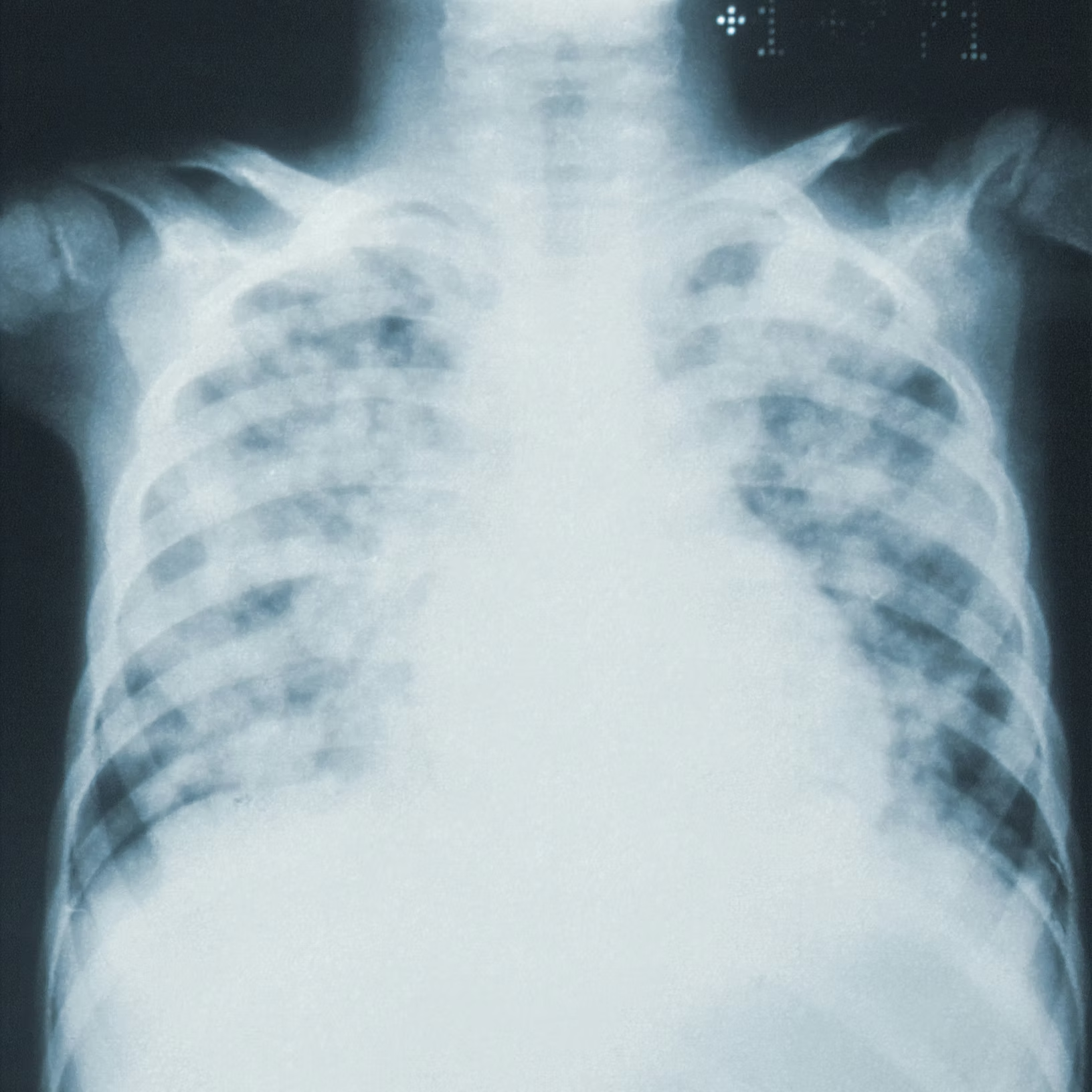
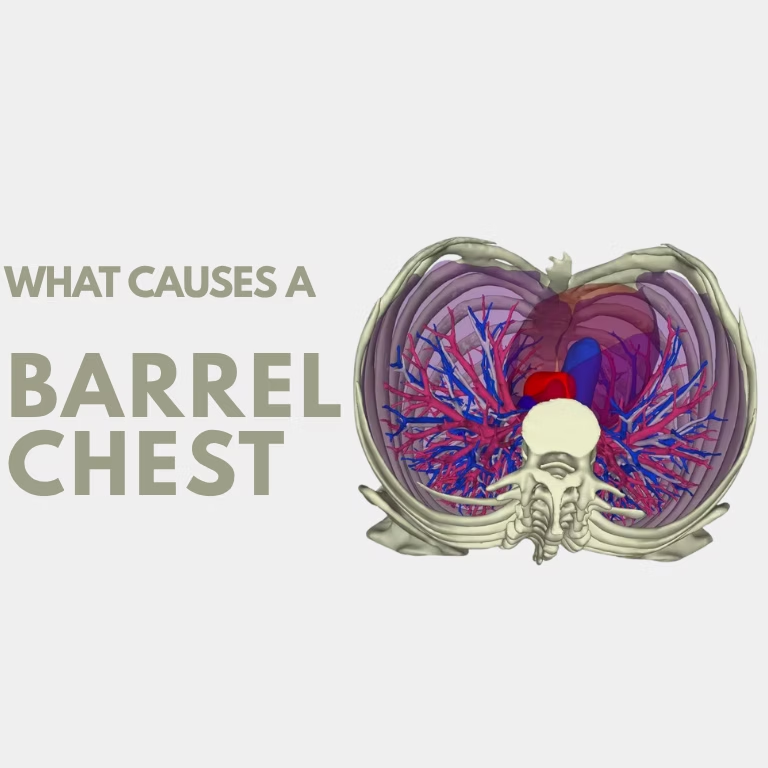
What Causes A Barrel Chest?
Explore the causes of barrel chest, including primary and secondary types, and available treatments such as the Wenlin procedure.
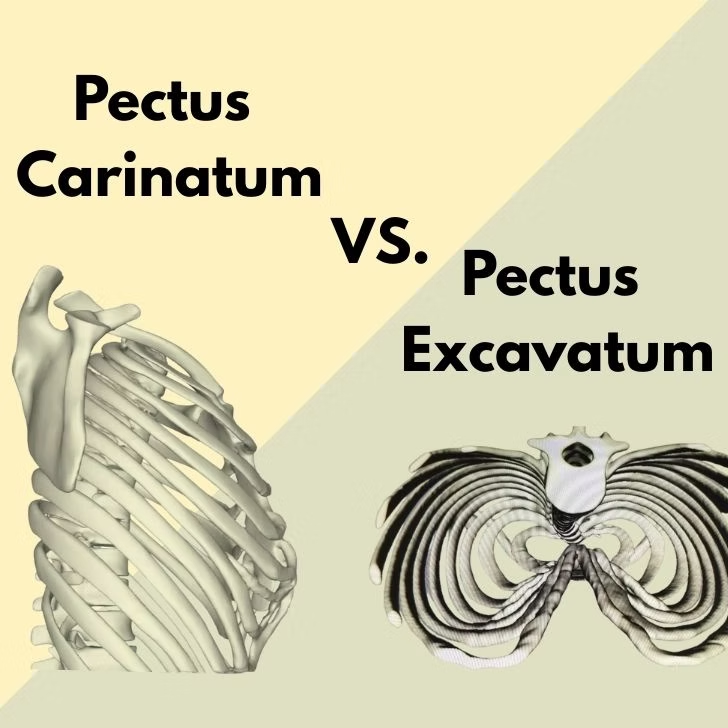
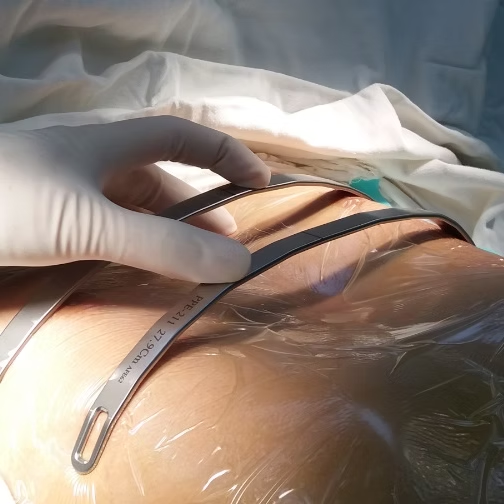
Understand pectus excavatum vs. pectus carinatum: causes, symptoms, incidence, and treatment differences.
Expert guide to the 3 leading minimally invasive surgeries for pectus excavatum—Nuss, Wang, Wung procedure—covering indications, techniques, risks, recovery & rehab tips.
Get clear-cut answers in this Pectus Excavatum FAQs: learn what pectus excavatum is, its genetic links, symptoms, whether it worsens with age, and proven non-surgical & surgical treatments.
The 2nd Latest Chest Wall Surgery Techniques Global Training Program 2025 united international surgeons in Guangzhou for hands-on training, live surgeries, and innovative chest wall surgery techniques.
The Inaugural Global Chest Wall Surgery Conference, co-hosted by the Institute of Chest Wall Surgery (ICWS) and the International Chest Wall Surgery Organization (ICWSO), was grandly convened on July 19, 2025, in Guangzhou, China. Nearly 100 doctors from 13 countries and regions gathered to explore pressing issues in chest wall surgery, signaling a new phase of global collaboration and innovation in the field. Conference venue The conference commenced with an opening address
Repeated paradoxical breathing during asthma attacks may contribute to the development of pectus excavatum in young children.
The Journal of Chest Wall Surgery (JCWS) is the world’s first academic journal dedicated to chest wall surgery, established to promote global research, standardization, and collaboration in treating chest wall diseases. It covers deformities, tumors, infections, and surgical innovations, advancing knowledge and improving patient care worldwide.
Not all pectus excavatum presents in the same way. From narrow indentation to wide, extending depression — this common chest wall deformity appears in many forms. Understanding the differences is the first step toward the right treatment. Symmetrical Pectus Excavatum Symmetrical pectus excavatum is characterized by a centrally located depression in the lower anterior chest wall, with the deepest point typically at the sternum or xiphoid process, and in some cases, below the
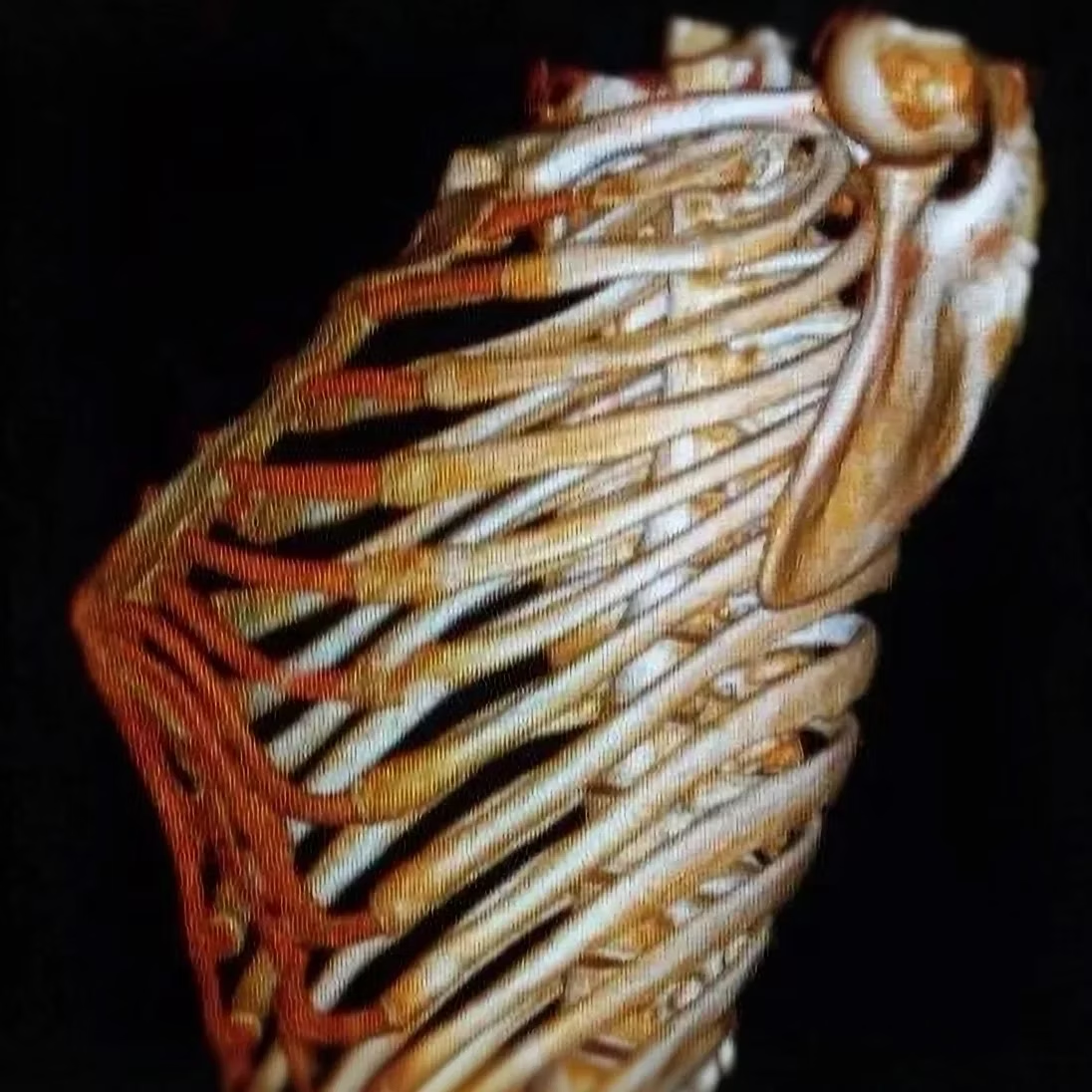
Pre-shaping is a surgical technique developed by Dr. Wenlin Wang to reduce bone rigidity in chest wall deformity correction. By adjusting the thoracic structure before bar placement, it improves safety, reduces complications, and enhances outcomes in patients with severe or rigid deformities.